Japan intimidates a lot of first-time visitors, mostly because of the language barrier and cultural etiquette worries. Having gone through that nervousness myself, I can say most of it turns out to be unfounded once you’re actually there. This japan travel guide covers what genuinely matters for a smooth first trip.
Is Japan Difficult for First-Time Travelers?
Quick answer: Japan is actually one of the easiest countries for first-time international travelers despite the language barrier, thanks to extremely reliable public transport, low crime rates, and widespread English signage in major tourist areas.
The initial intimidation factor rarely matches the actual on-ground experience.
Tokyo — Sensory Overload in the Best Way
Start in Tokyo. The contrast between ultra-modern districts like Shibuya and traditional areas like Asakusa captures Japan’s unique blend better than almost anywhere else in the country.
- Get a Suica or Pasmo card immediately for seamless public transport payment
- Budget: $70-120/day for mid-range comfort in Tokyo specifically
Kyoto — Traditional Japan, Slower Pace
Kyoto offers a completely different atmosphere from Tokyo — temples, traditional wooden architecture, and a noticeably slower pace. Fushimi Inari Shrine’s thousands of torii gates are genuinely as impressive as photos suggest.
Osaka — Food-Focused and Energetic
Osaka has a reputation as Japan’s food capital, and it’s well-earned. Dotonbori’s street food scene alone justifies a dedicated 2-3 days on any Japan itinerary.
Reasons Osaka deserves more time than most itineraries allocate:
- Takoyaki and okonomiyaki originated here and taste noticeably better locally
- More affordable than Tokyo for similar quality accommodation and dining
- Easy day-trip access to Nara’s famous deer park
- Less formal atmosphere compared to Kyoto, making it feel more relaxed
[link to related guide about family travel guide here]
Using the Japan Rail Pass Effectively
The JR Pass makes sense specifically if you’re covering multiple cities via Shinkansen (bullet train). For a Tokyo-Kyoto-Osaka route, it often pays for itself within just 2-3 train journeys.
Japanese Etiquette Basics Worth Knowing
- Bowing isn’t mandatory for tourists, but a slight nod shows respect
- Remove shoes when entering traditional accommodations or certain restaurants
- Avoid eating while walking in most public areas — it’s considered somewhat impolite
- Tipping isn’t customary and can occasionally cause confusion if attempted
[link to related guide about thailand travel guide here]
Food Beyond Sushi
Sushi gets all the international attention, but ramen, tonkatsu, and yakitori deserve equal focus. Convenience store food (konbini) in Japan is also surprisingly excellent — genuinely worth trying, not just a backup option.
Realistic Budget for a 10-Day Japan Trip
- Accommodation: $50-100/night depending on city and comfort level
- Food: $30-50/day mixing convenience store meals and restaurants
- JR Pass: roughly $280 for a 7-day pass (check current pricing before booking)
- Activities: $15-40/day depending on temple entries and experiences
- Total estimate: $1,500-2,200 per person for 10 days, excluding international flights
FAQs
Is Japan expensive to visit? It can be, particularly Tokyo accommodation, though careful planning around convenience store meals and JR Pass usage keeps costs manageable.
Do I need to speak Japanese to travel comfortably? No — major tourist areas have sufficient English signage, and translation apps handle most remaining communication gaps effectively.
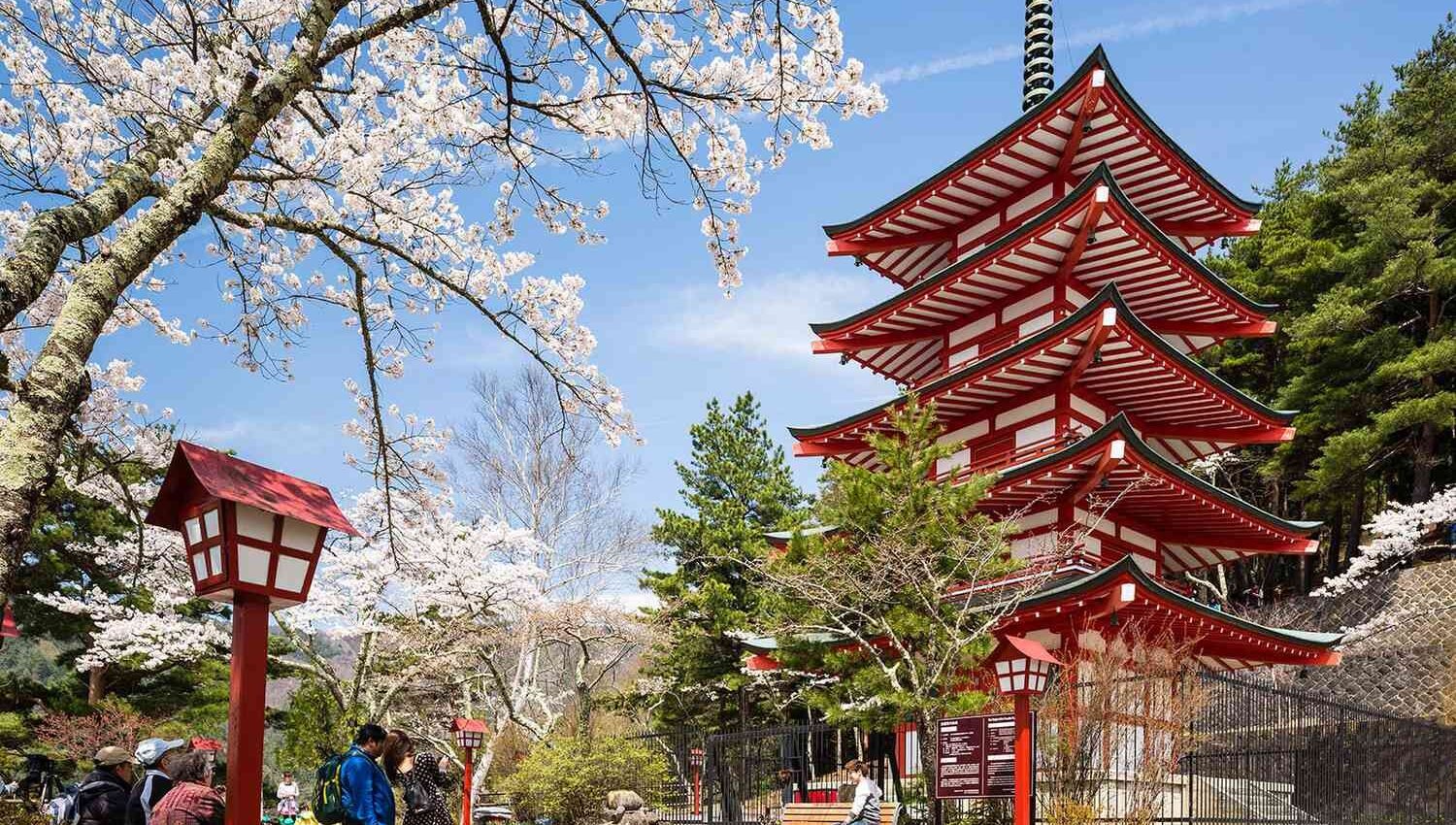
What’s the best time to visit Japan? Spring (March-May) for cherry blossoms or autumn (September-November) for fall foliage are widely considered the most scenic seasons.
Is the JR Pass worth buying? Generally yes if visiting multiple cities via Shinkansen — it typically pays for itself within a few long-distance train journeys.
How many days do I need for a first Japan trip? 10 days comfortably covers Tokyo, Kyoto, and Osaka without feeling rushed, though 7 days works for a more condensed version.
Final Thoughts
This japan travel guide should ease most of the pre-trip anxiety first-time visitors typically feel. Japan’s combination of efficiency, safety, and genuine cultural depth makes it far more accessible than its reputation for complexity suggests.
Start researching JR Pass options and booking accommodation 2-3 months ahead, especially if traveling during cherry blossom or autumn foliage season.
Suggested alt text: “Torii gates at Fushimi Inari Shrine in Kyoto, Japan” Suggested alt text: “Shibuya crossing at night in Tokyo, Japan”